
The Scene
It’s the end of the month -almost Canada Day-, it’s 27C outside and you have a day off. What do you do? That’s right: a roadtrip! It’s been a while since we set out with no clear goal in sight but to discover what’s around us. We used to do this quite regularly during the Covid-days, but as the world returned to ‘normal’, our schedules did as well. But as we had a day off we could not pass up on this opportunity.

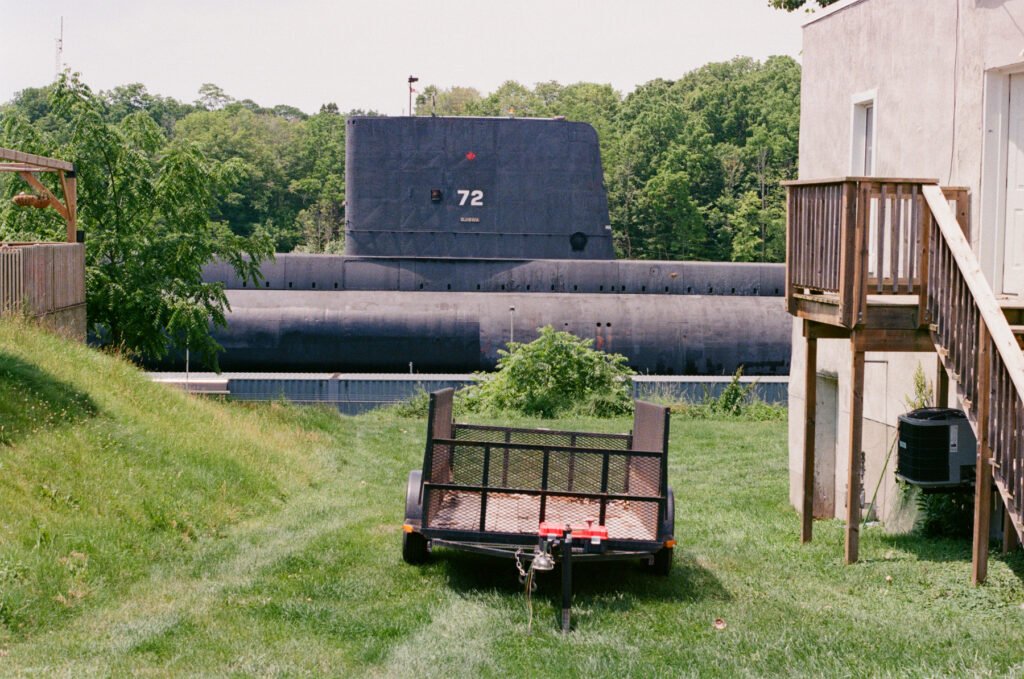
This time around we had one ‘must-go’ though. Years ago we, by accident, found this enormous submarine parked in the middle of nowhere (well, Port Burwell isn’t nowhere), but we were to late to have a looksie. So this time we purchased tickets online and our itinerary for the day was simply to drive around and make sure we got to the sub at 2PM, as that was our booked slot.

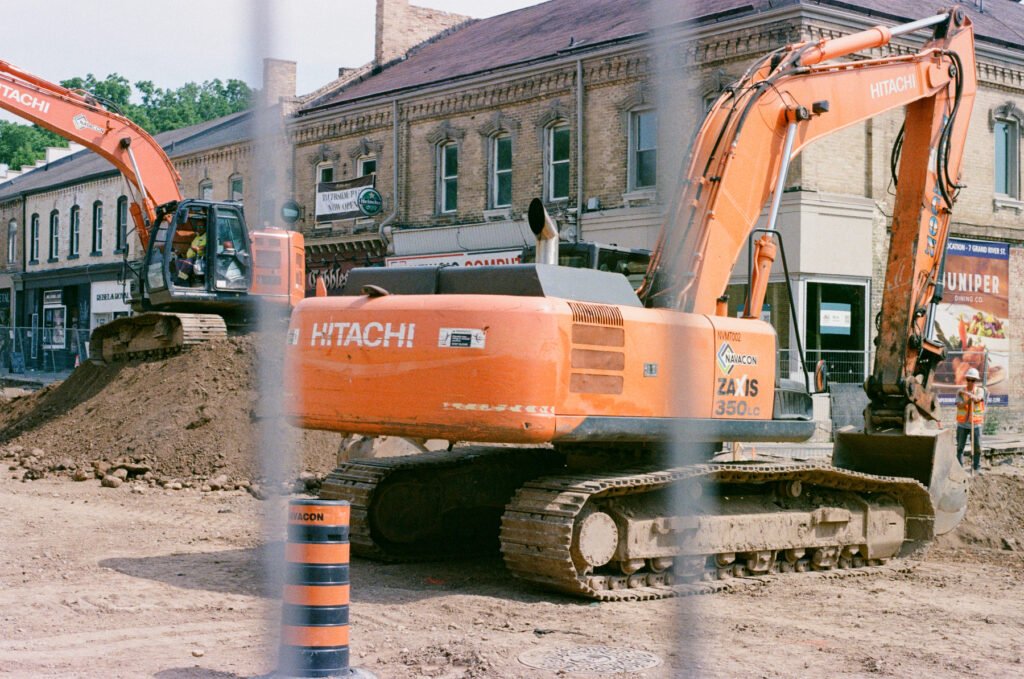
The idea was to make a few, relaxed stops via Paris, Port Burwell, Long Point Provincial Park & Port Dover, taking scenic routes as much as possible. Paris, not named after its European counterpart but rather the gypsum deposits found in the area, used to make ‘plaster of Paris’, is a quaint town along Grand River and has a lovely old street at it’s center. Not today though, as we discovered upon arrival that the entire street has been taken out and heavy machinery was hammering away, to re-shape the street in a more pedestrian-friendly zone. Good on you, Paris, just too bad I didn’t research ongoing roadworks so we made short work of our stop here and headed to Port Burwell.
Port Burwell, on the Lake Erie shore, is worth the stop for the giant submarine (and naval history museum) alone. Unfortunately I did not bring the ugly flash unit with me so I have no interior shots to show. It’s a very cool experience visiting this cold-war era sub which has seen real action. Entirely run by knowledgable and enthusiastic volunteers and retired submariners (who served on this actual boat), the private – just the two of us) tour made us feel we were in a cold-war movie like K19 ‘the Widowmaker’ and we’d highly recommend visiting the HMCS Ojibwa to anyone with some historical interest.

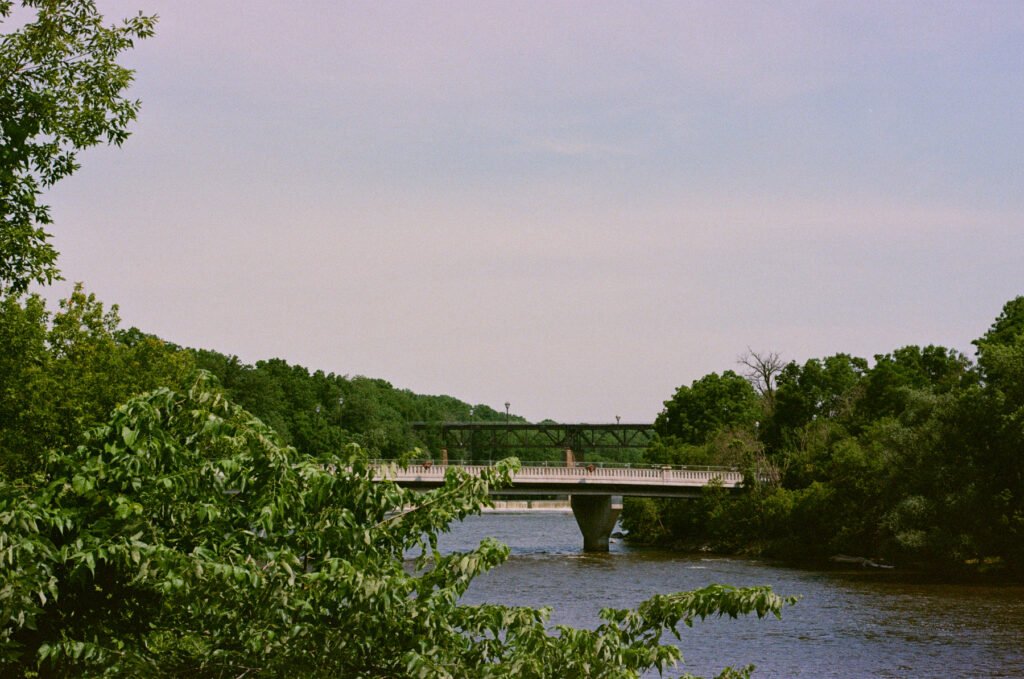
Long Point was not far away and a nice little drive through the countryside. Weekdays are surely a better time to go here as on holidays and over weekends it can get extremely busy. You can imagine a peninsula with marinas, beaches and a provincial park with campgrounds being a huge magnet for residents and tourists alike, during any season but particularly in summer. As we didn’t have a ton of time we kept our stay short and drove over to Port Dover. We’ll go and discover Long Point thoroughly some other time.
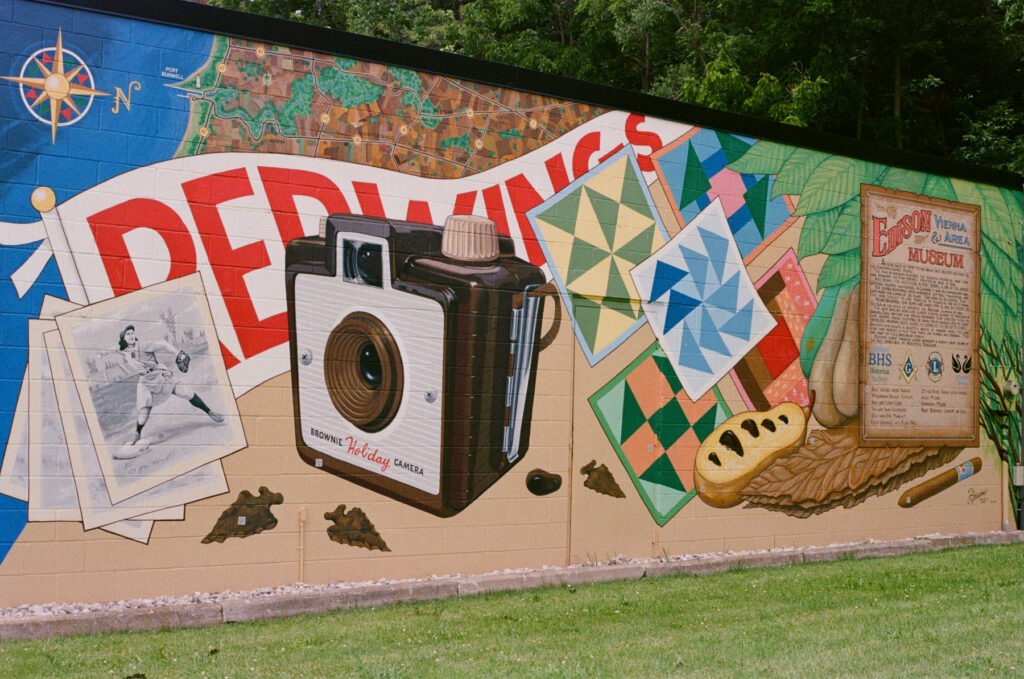
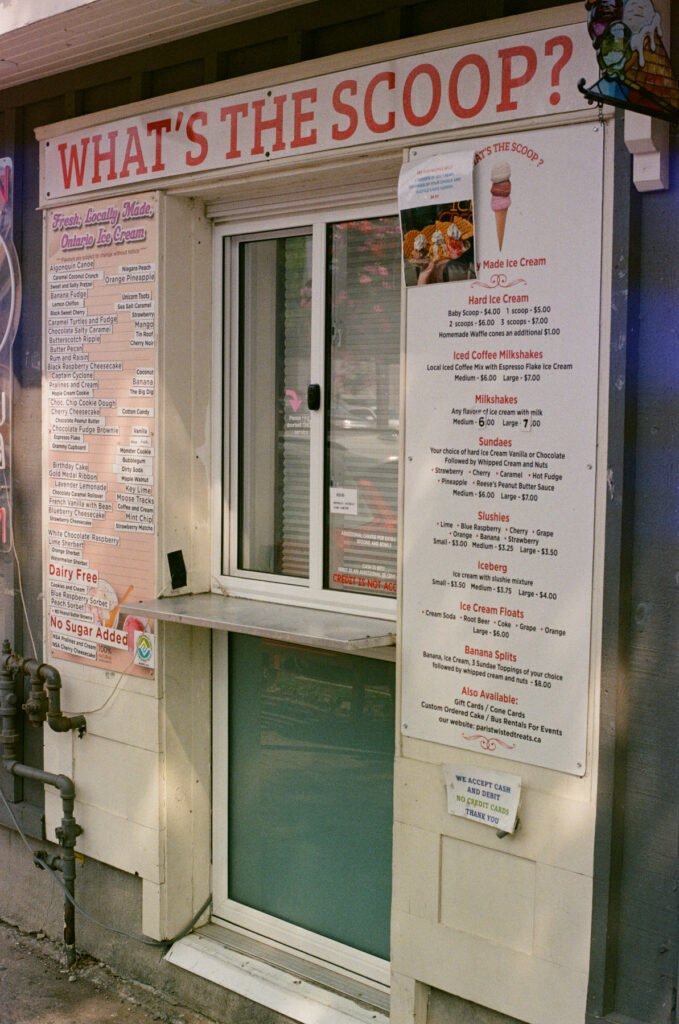
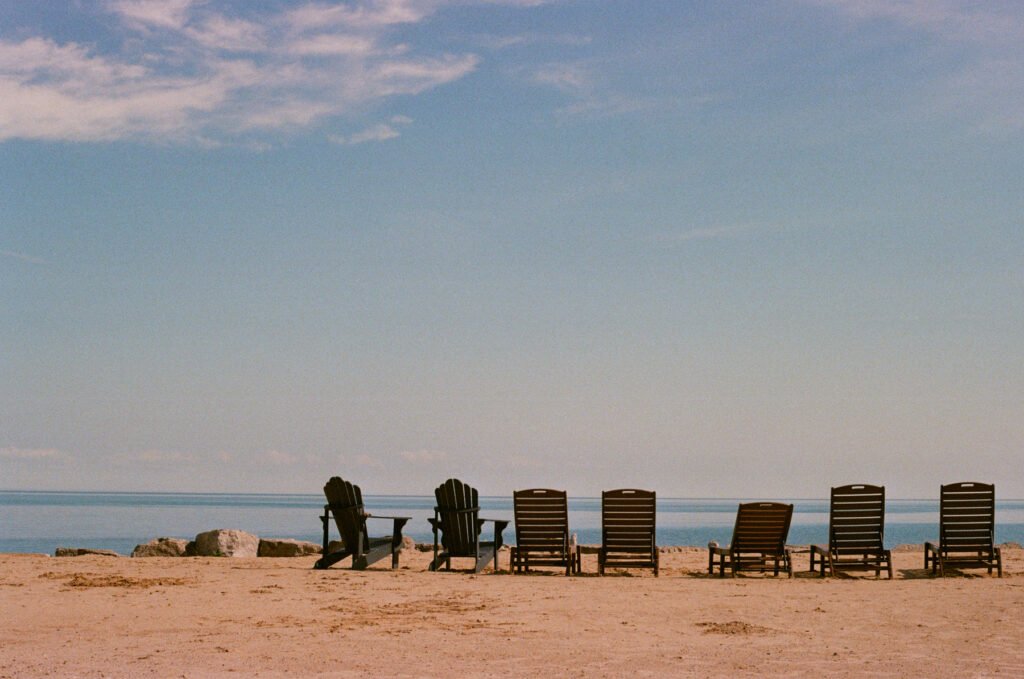
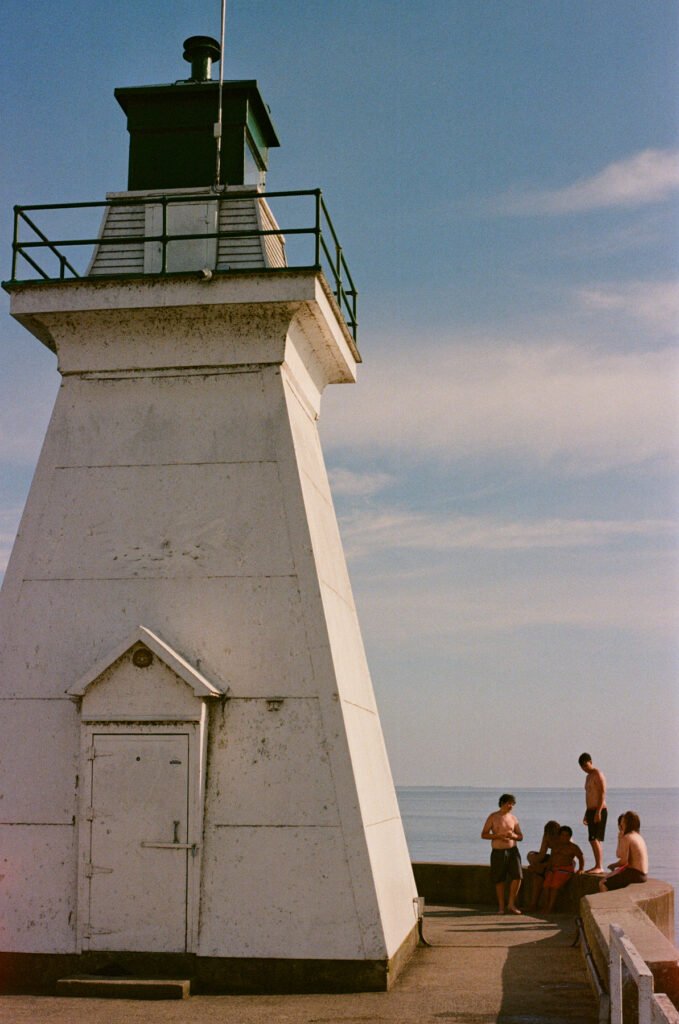
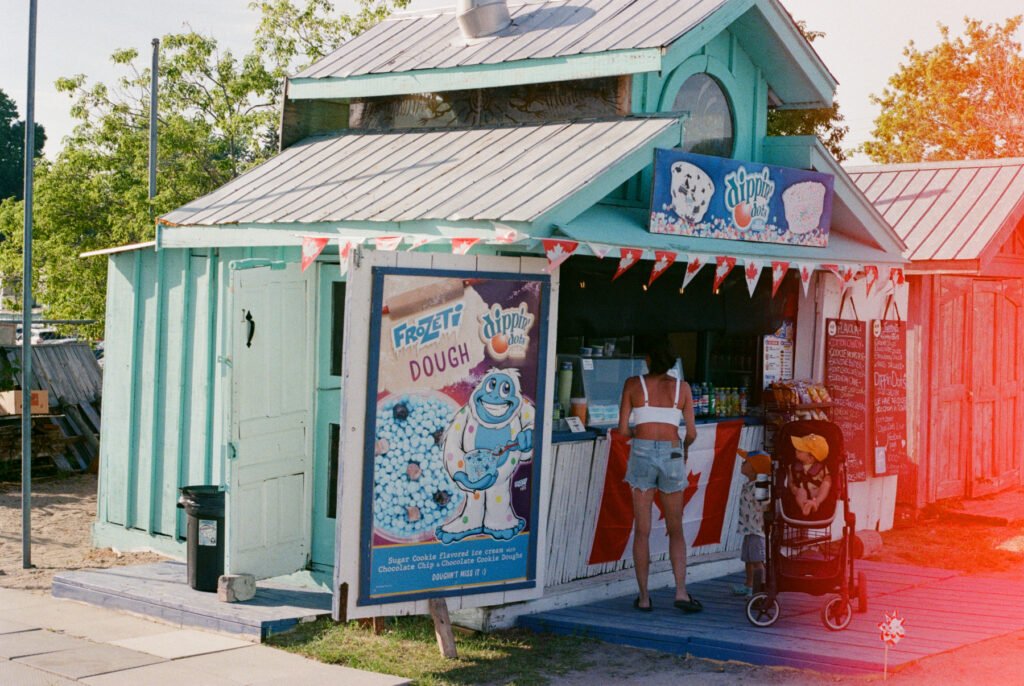
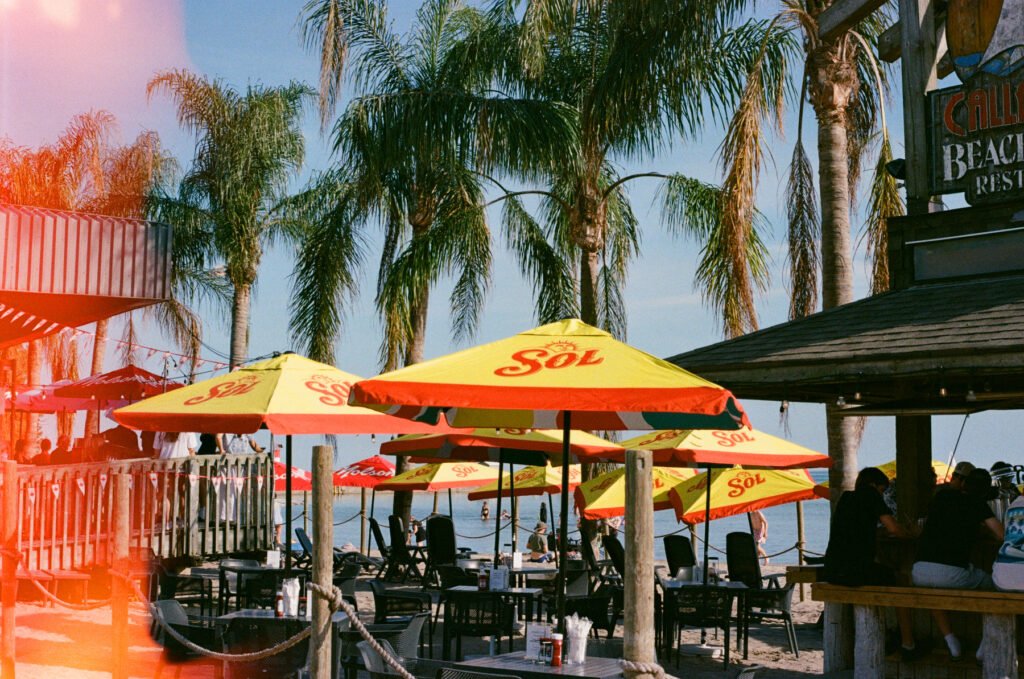
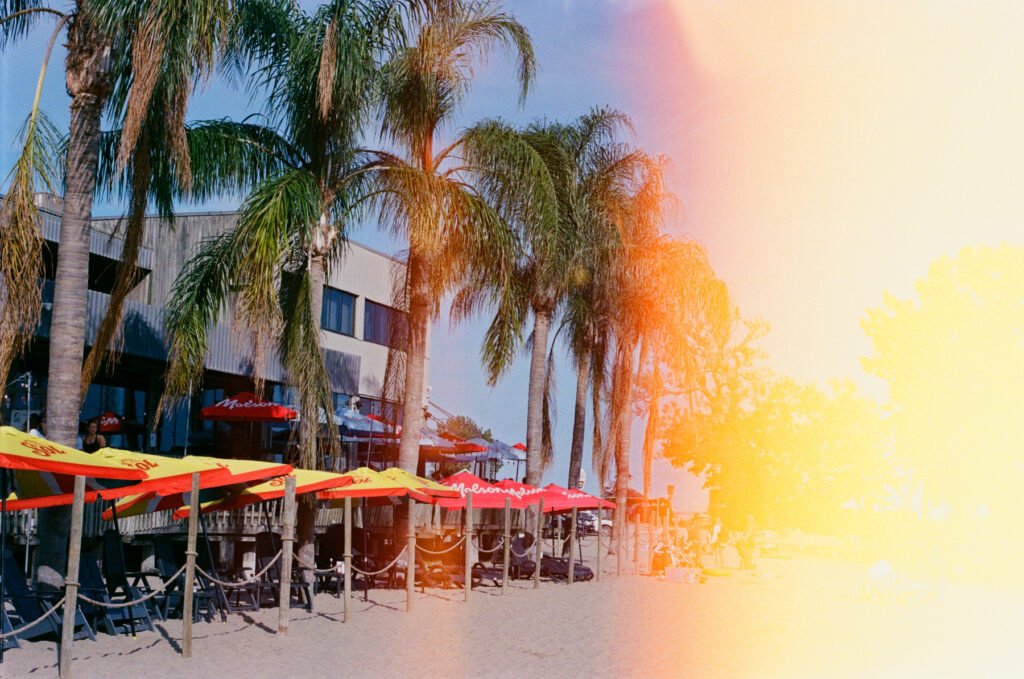
Port Dover had a much more beach-town vibe than the other places we visited today. It’s clearly very popular and the establishments present proved that. Restaurants, bars, gift shops and ice cream parlors, and actual palm trees on the beach. If Lake Erie was an actual ocean you could blink and think you’re in Florida or California. It was busy but not overcrowded, and the mother of all ice creams we enjoyed was a fitting end to this roadtrip. And yeah, yours truly opened the camera back too eagerly so the light leaks you see are real.
The Camera
The perfect machine for this job was a copier. Sorry, a fake Yashica: the Kyocera Yashica 230AF. This (pretty ugly) piece of 1980s kit came to me a few years ago and I’ve only tried it out once, but as that was years back I didn’t quite remember how that went. So, I popped in a new battery, some Kodak 400 ISO film and tucked it in my bag after a quick visual inspection.
The camera was released in 1987, just a few years after Kyocera acquired Yashica (& Contax), and 18 years before the film- and photography lines of these brands were killed off. Heralding this last hurray in the long life of quality Yashica cameras, the 230AF is nothing to write home about. Grey plastic, a few auto-focus lenses (mine has a 50mm f/1.8 prime), and a weird, slide-on flash unit that makes the camera look like it has a rhino horn on top. It’s not good looking, it’s not fast, it’s operation is not particularly well laid-out, but it works! Sort of.
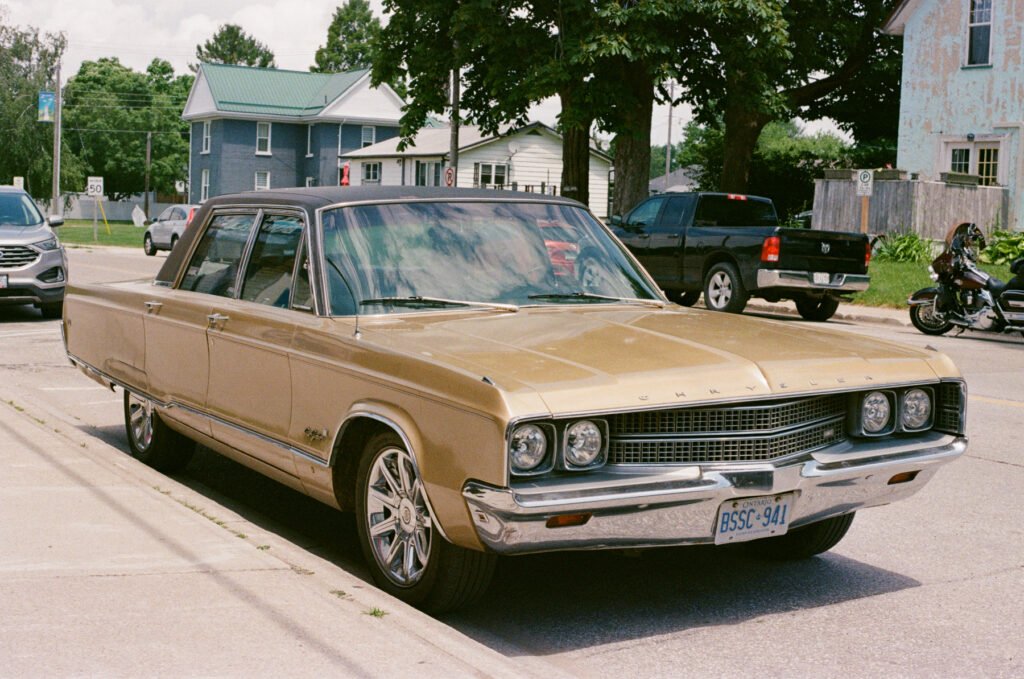
While on the road I started noticing that the on-off slider didn’t talk the same language as the display did as sometimes it would turn it on and other times off, not caring if that correlated with it actually being ‘on’ or ‘off’. It quickly became an ‘oh it takes a picture so it must be on’- kind of experience, which was about as relaxing as our road trip itself. No rush, no expectations and if things work out – great! If not, too bad so sad.
The camera isn’t hard to operate, despite it’s very small buttons and strange sliders. The right-hand slider flips through the screen options and lets you change things like aperture, depending on the Program mode you’re in. It’s all just a little different but not quite weird. The shutter button is a little bit too trigger-happy for me though, and made using the (slow) auto-focus a bit of a hassle. The 50mm lens is quite sharp, surprisingly! All-in-all it’s a capable and cheap camera that will do the job, as long as it knows whether it’s on or off.
The Film
I had 2 rolls of Kodak UltraMax 400 left, out-of-box, so I expected them to be expired but no more than a few years. As it was a beautifully sunny day I didn’t see a problem and adjusted the exposure settings with one stop so more light reaches the film and the results should be acceptable, at least.
The Verdict
This roadtrip was quite enjoyable. The weather was more than enjoyable. The ice-cream at the end was super enjoyable. And the camera? Yeah, no…I’ll put that one away. Which is a pity because I do like the images this lens churns out. It’s just a pity the operation is a bit of a hit and miss, and I don’t think having it serviced would be worth it. It’s 1980s electronics. Not the best, at the best of times. So, up to the next roadtrip? For sure! And one is only a few weeks away, so stay tuned…
Leave a Reply